.png)
Why It’s So Hard To Look Good In Normal Phone Photos
Taking photos became effortless. Looking good in them did not.
Phone cameras capture the moment, but they do not always choose the best frame, fix bad lighting, preserve how you really look, or finish the photo with taste. That is the hard problem Spotted’s personal photographer is built around.
The moment was good. The outfit worked. The memory mattered. But the photo? Bad light. Weird angle. Half a blink. Harsh shadow. A face that does not look like how the person actually felt in the moment.
That is the problem Spotted is working on.
Not taking more photos. Not making fake photos. Not turning everyone into someone else.
The hard problem is much more human: how do you take the ordinary photos already sitting in someone’s camera roll and make them look like they had a personal photographer with them?
1. Finding the photos that actually matter
Most camera rolls are a mess.
There are screenshots, duplicates, blurry shots, random food pictures, ten versions of the same selfie, and photos you forgot anyone even took.
The first problem is simple to understand but hard to solve: which photos are worth saving?
A good photographer does not edit every photo. They look through the whole set, spot the moments with potential, ignore the weak shots, and choose the ones that deserve attention.
That is the experience Spotted wants to bring to your camera roll.
Not “go search for the photo yourself.” More like: “I found the good ones.”
2. Making the photo better without making you look fake
This is where photo editing gets difficult.
If you improve a chair, nobody cares if it looks slightly different. If you improve a sunset, you can make it more dramatic. But when the subject is a person, the rules change.
The person still has to look like themselves.
Their face, expression, skin, hair, clothes, body, and small details all matter. Improve too little, and the photo still feels unfinished. Improve too much, and it stops feeling real.
The goal is not to create a new person.
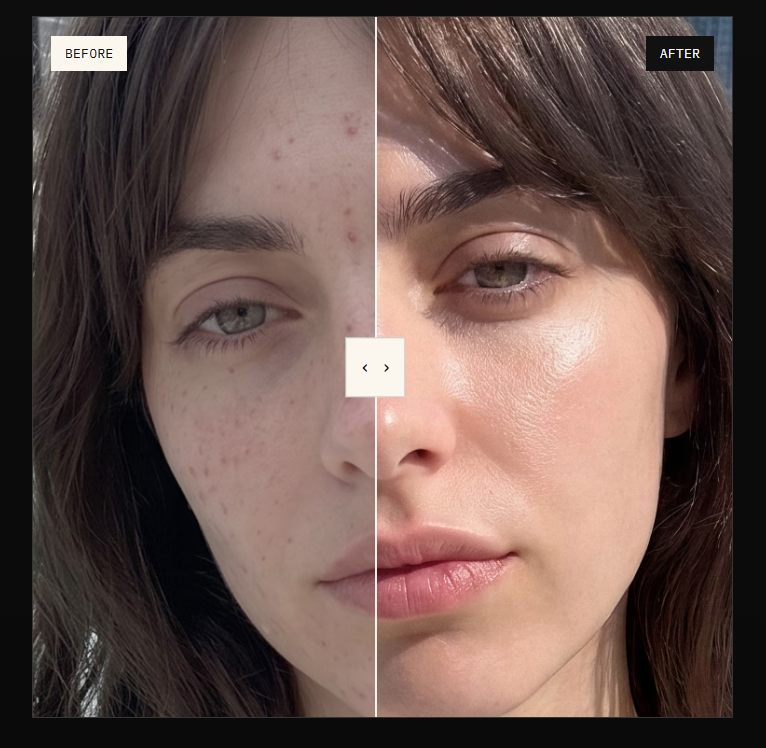
3. Understanding that “good” is personal
Some people love natural photos. Some want cinematic. Some want sharp, clean, polished images. Some hate anything that looks obviously edited.
There is no single version of “good.”
That is why personal photography is harder than applying a filter. A filter treats every photo the same. A photographer understands the person, the moment, and the result they want.
Spotted is built around that idea.
Your photos should not look like everyone else’s. They should look like you, just captured better.
4. Fixing the things people notice first
Most people do not describe photos technically.
They do not say, “the exposure curve is wrong” or “the dynamic range is poor.”
They say: “This lighting is bad.” “My hair looks messy.” “My skin looks dull.” “This angle is not flattering.” “This could have been such a good photo.”
Those are the problems that matter.
Spotted’s job is to take the everyday things people notice first, light, skin, hair, crop, sharpness, mood, and make the photo feel finished.
Not overdone. Finished.
5. Making ordinary photos feel professionally taken
A professional photo is not only about the camera.
It is about timing, light, framing, selection, editing, and taste.
Most phone photos miss at least one of those. Sometimes all of them.
That is why the promise is not simply “edit my photo.”
The bigger idea is: what if your camera roll had a personal photographer inside it?
Someone who could find the photos with potential, improve them, and return the ones that are actually worth keeping.
6. Removing the work from the user
Most editing apps still make the user do the work.
Pick the photo. Choose the tool. Move the slider. Try another filter. Compare versions. Save it. Start again.
That is fine for people who enjoy editing. Most people do not.
Most people just want the result.
Spotted is designed around that simple desire: your photos should get better without you becoming a photo editor.
Editing app vs personal photographer
Normal photo editing app: You pick the photo yourself. You adjust tools, filters, and sliders. Every photo starts from the same generic controls. The work happens only when you open the app.
Personal photographer for your camera roll: Helps surface the photos that are actually worth attention. Returns photos that feel polished and ready to use. The result should respect the person, the moment, and personal taste. The camera roll becomes less cluttered and more useful over time.
7. Keeping control where it matters
Photos are personal.
They include your face, your friends, your family, your private moments, and memories you may not want touched or sent anywhere.
So the experience has to feel controlled.
Helpful, not creepy. Automatic, but not reckless. Smart, but still respectful.
The right product does not just ask, “Can we improve this photo?”
It also asks: should we touch this photo? Should we send this? Should the user approve it first? Is this the kind of memory that needs care?
That trust is part of the hard problem.
8. Turning a messy camera roll into something useful
The final benefit is not just better individual photos.
It is less clutter. Less searching. Less forgotten potential.
A camera roll should not feel like a storage box full of unfinished memories. It should feel alive. Organised. Useful. Ready when something good is found.
That is what Spotted is building towards.
A personal photographer for the photos you already have.
One that finds the good shots, improves them, keeps you looking like yourself, and gives you back the moments that deserved better.
The big problem we are solving
Taking photos became effortless.
Looking good in them did not.
Spotted exists to close that gap.
Not by asking people to pose more, edit more, or learn more tools.
By helping the photos they already have look like the moments they actually lived.
Quick answers
Why do phone photos not always look like real life?
Phone cameras capture the scene, but they often miss the feeling of the moment. Light, timing, expression, angle, and motion can all make a real memory look flatter or harsher than it felt.
Why is editing people harder than editing objects?
People notice tiny changes in faces, skin, hair, expression, clothes, and body shape. A person can look more polished, but they still need to feel unmistakably like themselves.
Can a photo look better without looking fake?
Yes. The goal is tasteful improvement: better light, cleaner finish, stronger framing, and a more polished feel while keeping the person real.
What is the difference between a photo editing app and a personal photographer?
A normal editing app gives tools and sliders. A personal photographer helps choose which photos matter, improves them with taste, and gives back images that feel ready to use.
Why does Spotted focus on the photos people already have?
Most people already have the moments. The hard part is finding the good ones, making them feel finished, and keeping the person looking like themselves.